Current Issue

2026 Vol. 41, No. 4

Intelligent Finance
Alignment Failure, Platform-Based Governance and the Resilience of the Computing-Power Industrial Chain
LU Shutan, WU Haijun
2026, 41(4): 4-14.
Abstract:
The computing-power industrial chain is characterized by a long technological stack, strong complementarity among its segments, and rapid technological iteration. Under conditions of rapidly evolving technological architectures, continuously reconfigured module boundaries, and unsettled standards, the interface rules, verification rules, and trajectory rules among complementary actors tend to exhibit unstable matching, giving rise to alignment failure. Alignment failure manifests in three forms of interface, verification, and trajectory alignment failure that respectively weaken the substitutability, recoverability, and evolvability of the computing-power industrial chain by raising adaptation and migration costs, increasing the difficulty of quality identification and responsibility attribution, and heightening the risks of asset-specific investment. To address these problems, platform-based actors, as a hybrid governance structure situated between market transactions and hierarchical organization, can mitigate alignment failure through three stages: connection, verification, and evolution. Specifically, they reduce connection costs through interface standardization and multi-source adaptation, enhance the capabilities for quality identification and responsibility attribution through testing, certification, and process tracing, and stabilize long-term technological expectations through standards guidance and version governance. However, platform-based governance may also generate risks such as interface closure, biased information use, self-preferencing, trajectory lock-in, and insufficient investment in long-term maintenance. Therefore, strengthening the resilience of the computing-power industrial chain requires improving institutional arrangements for cross-platform interface migration, computing-power service certification, governance data boundaries, and the maintenance of foundational alignment conditions.
The Marketization of Data Elements Drives the Improvement of Enterprise Labor Productivity
ZHOU Mingsheng, ZHAO Xiangrong
2026, 41(4): 15-29.
Abstract:
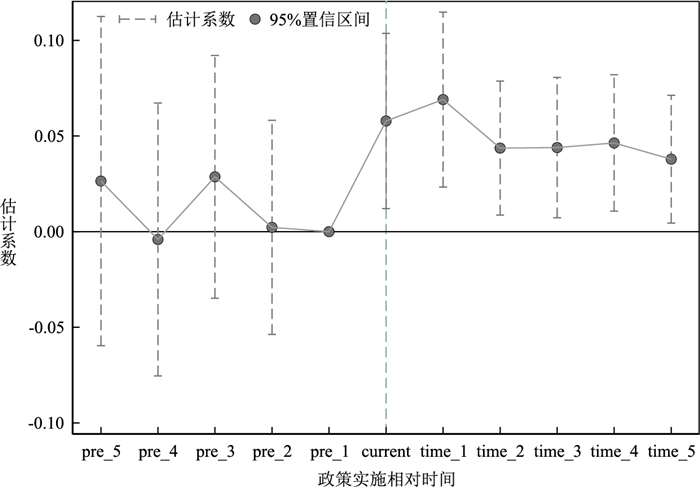
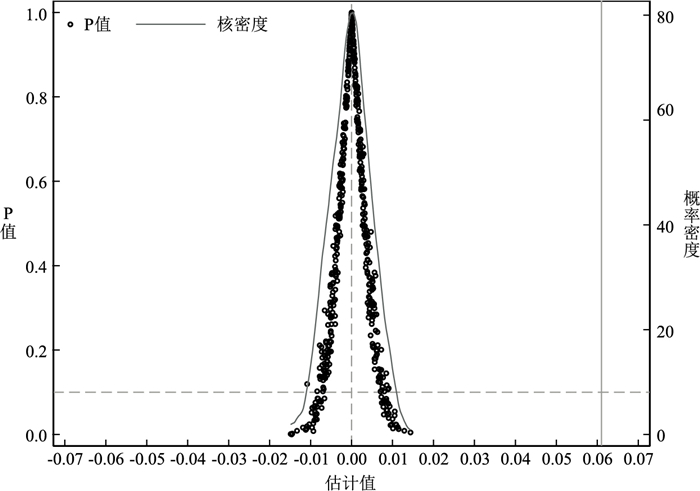
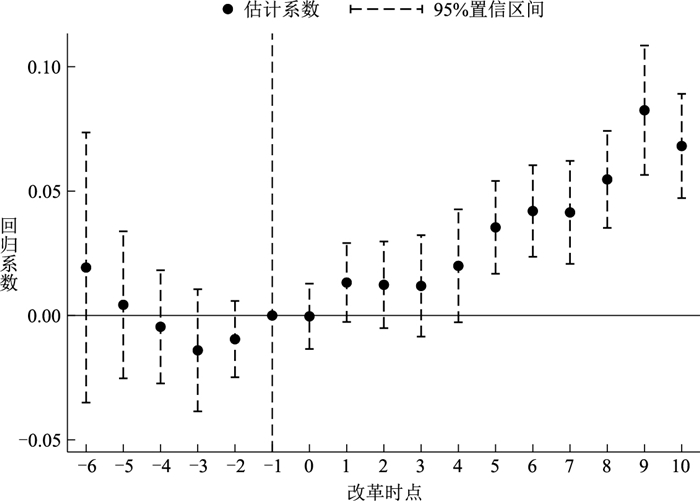
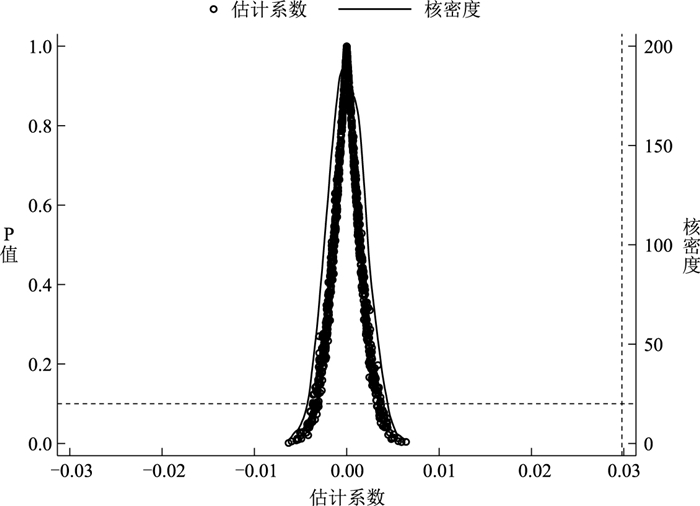
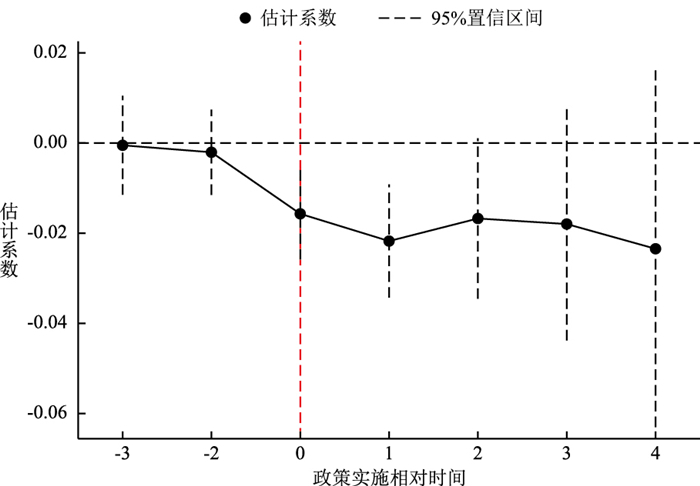
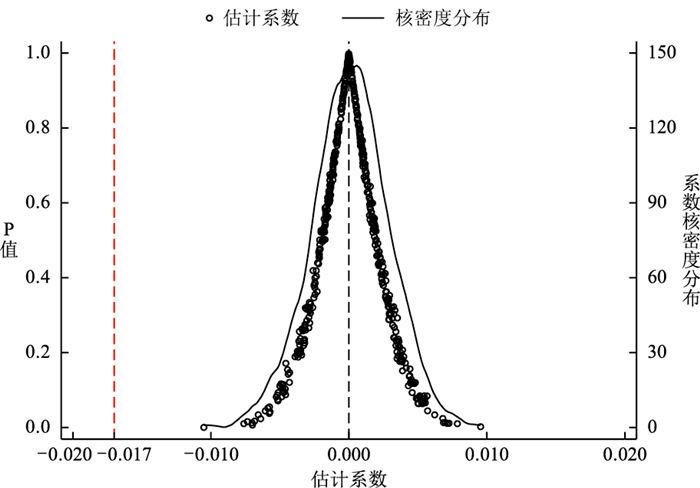
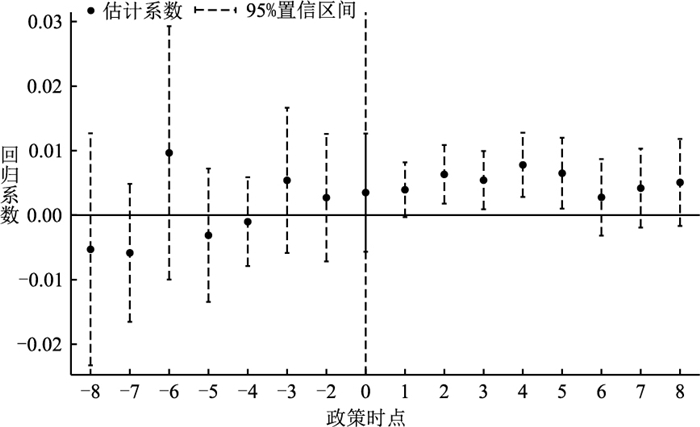
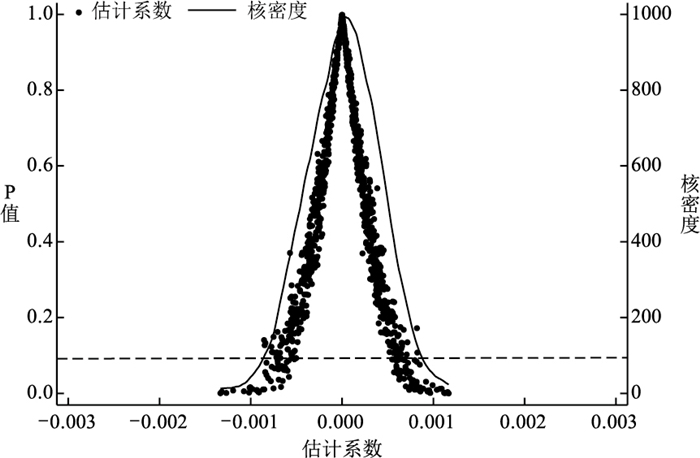
Against the backdrop of the in-depth development of the digital economy, the market-oriented allocation of data, as a new production factor, has become the main driving force for changing the production mode of enterprises and improving the efficiency of resource allocation. Based on the Melitz-Ottaviano model of heterogeneous-firm monopolistic competition, this paper adds the influencing factors of data element marketization policies, establishes a heterogeneous and differentiated firm model that incorporates marketization policies for data elements, derives the internal mechanism by which the data element marketization affects corporate labor productivity, and selects Shanghai and Shenzhen A-share listed companies from 2009 to 2023 as the research objects. The establishment of data trading platforms in various prefecture-level cities is taken as a quasi-natural experiment, and a multi-period difference-in-differences empirical test is used to examine the causal effect of data element marketization on enterprise labor productivity. The research finds that data element marketization significantly improves enterprise labor productivity, and the conclusion remains valid after multiple robustness tests. The mechanism test shows that data element marketization mainly enables the improvement in enterprise labor productivity through three transmission paths: enhancing technological innovation efficiency, improving product supply-demand matching, and optimizing investment allocation efficiency. Heterogeneity analysis indicates that the policy effect exhibits significant structural differentiation. From the enterprise perspective, the policy has a more prominent enhancing effect on non-state-owned enterprises and large-scale enterprises. From the industry perspective, the policy effect is significantly stronger in technology-intensive and labor-intensive industries than in capital-intensive industries. From the regional perspective, the policy effect is more pronounced in the eastern region and enterprises on the southeast side of the Hu Huanyong Line. From the factor absorption perspective, enterprises with high digitalization foundation and high reliance on research and development experience greater policy benefits.
Entrepreneurial Effects of Manufacturing-Service Technology Fusion from the Perspective of Patent Co-Classification
LIU Sheng, LIU Huajie, CHEN Xiuying
2026, 41(4): 30-47.
Abstract:
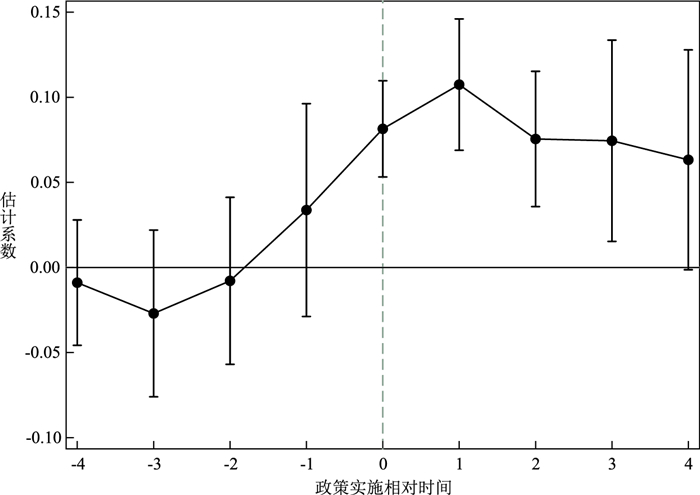
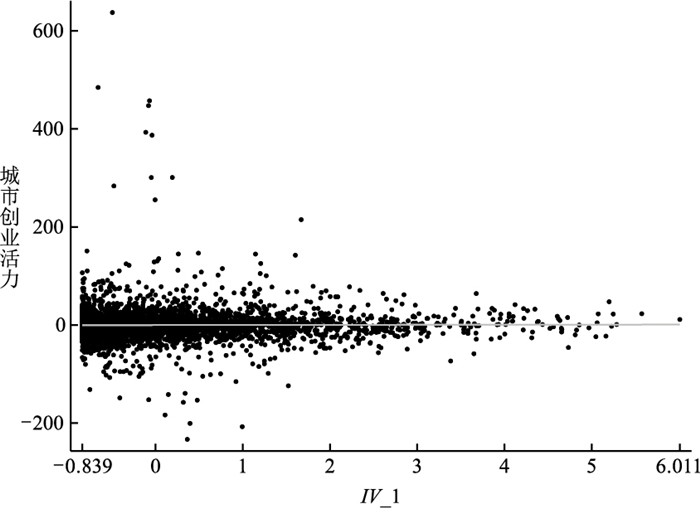
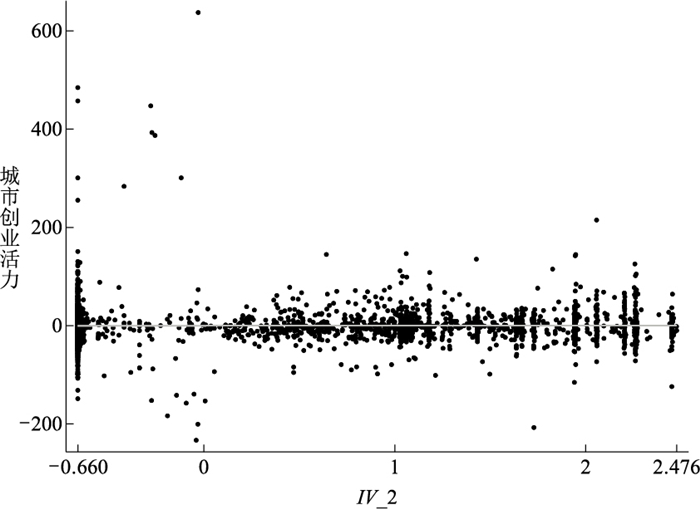
Driven by new industrialization and the diffusion of digital technologies, the integration of manufacturing and services is deepening into cross-industry knowledge coupling and technological function recombination within innovation outputs. Using detailed patent data from the China National Intellectual Property Administration, this paper measures the level of manufacturing-services technological fusion and examines its effect on urban entrepreneurial vitality. It is found that manufacturing-service technology fusion significantly stimulates urban entrepreneurial vitality, with venture capital allocation, digital service talent agglomeration, and support from household consumption demand serving as its main channels. Further analysis reveals that this effect is more pronounced in contexts characterized by greater knowledge breadth, high-tech integration represented by invention patents, entrepreneurship in the service sector, integration from manufacturing to services, and bidirectional integration. Moreover, the technological fusion of manufacturing and services based on different combinations of traditional and emerging industries, as well as the integration of advanced manufacturing and modern services, both significantly promote urban entrepreneurial vitality. Meanwhile, the degree of integration, balance, novelty of the technological fusion between the two industries, as well as the weighted degree of integration, all have significant entrepreneurial promotion effects. From the perspective of patent co-classification, this paper clarifies the conceptual boundaries of the technology-driven manufacturing-service fusion, expands research on the economic consequences of industrial technological fusion and the sources of urban entrepreneurial vitality, and provides empirical evidence for promoting service-oriented manufacturing, digital servitization, and the cultivation of new quality productive forces.
Economic Theory and Exploration
Policy Disparities in Talent Attraction, Mobility of Innovation Factors, and Inter-regional Technological Complementarity
MA Junfeng
2026, 41(4): 48-61.
Abstract:
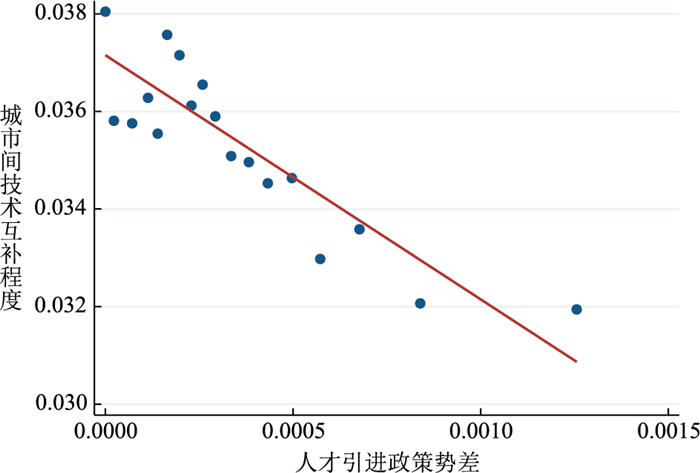
Mitigating the misallocation of innovation factors and technological resources induced by policy disparities in talent attraction is conducive to fostering inter-regional technological complementarity and facilitating the development of a unified national market. This paper constructs an indicator measuring policy disparities in talent attraction using textual data from local government work reports, and develops an index of intercity technological complementarity based on the IncoPat Global Patent Database. It investigates the causal effect and underlying mechanisms of policy disparities in talent attraction on intercity technological complementarity. The empirical results reveal that policy disparities in talent attraction significantly reduce the degree of inter-city technological complementarity. Such an effect is more pronounced for city pairs with shorter cultural and geographic distances but longer economic distances. The mechanism tests suggest that policy disparities in talent attraction undermine inter-city technological complementarity by restraining cross-city knowledge mobility, collaborative innovation, and technology transfer. Further analysis indicates that the decline in inter-city technological complementarity stemming from policy disparities in talent attraction impedes cross-city capital mobility and cross-regional supply chain deployment. Moreover, gaps in inter-city income distribution, factor market development, and intellectual property rights protection amplify the adverse effect of policy disparities in talent attraction on inter-city technological complementarity. This study concludes that divergent talent attraction policies trigger technological rivalry rather than technological complementarity, thereby undermining the allocation efficiency of innovation factors and technological resources.
How Can the Construction of a Unified National Market Advance the Synergy of Carbon Reduction, Pollution Control, Green Expansion, and Economic Growth?
LI Yi, XU Yingzhi
2026, 41(4): 62-76.
Abstract:
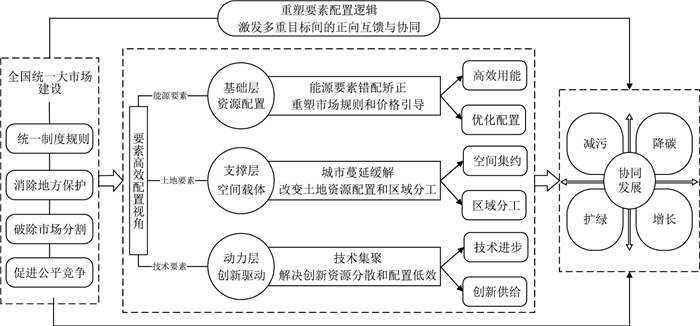
The construction of a unified national market aims to address resource misallocation and efficiency losses caused by market segmentation. It is a key measure for cultivating green new quality productive forces and unleashing new drivers of economic growth, thereby providing a practical institutional platform for the synergy of carbon reduction, pollution control, green expansion, and economic growth. This study systematically explains the effects and mechanisms of the construction of a unified national market on the synergy of carbon reduction, pollution control, green expansion, and economic growth, and conducts an empirical analysis using panel data from Chinese cities from 2011 to 2023. The results show that the construction of a unified national market significantly promotes the synergy of carbon reduction, pollution control, green expansion, and economic growth, and that it also has positive effects on the four subsystems of carbon reduction, pollution control, green expansion, and economic growth. Heterogeneity analysis shows that the positive effect of the construction of a unified national market is more pronounced in cities with lower administrative segmentation, stronger environmental regulatory constraints, lower fiscal pressure, and higher levels of green finance development. Mechanism tests indicate that the correction of energy factor misallocation, the mitigation of urban sprawl, and technological agglomeration are effective mechanisms through which the construction of a unified national market promotes the synergy of carbon reduction, pollution control, green expansion, and economic growth. Further analysis reveals that digital infrastructure and open government data positively moderate this relationship. This study provides policy implications for understanding how institutional market-building can lead the comprehensive green transformation of the economy and society.
Digital Industry Clusters and Firm Markups: Low-price Competition or Premium Pricing for Quality
CHANG Wenbo, LI Jinhu
2026, 41(4): 77-91.
Abstract:
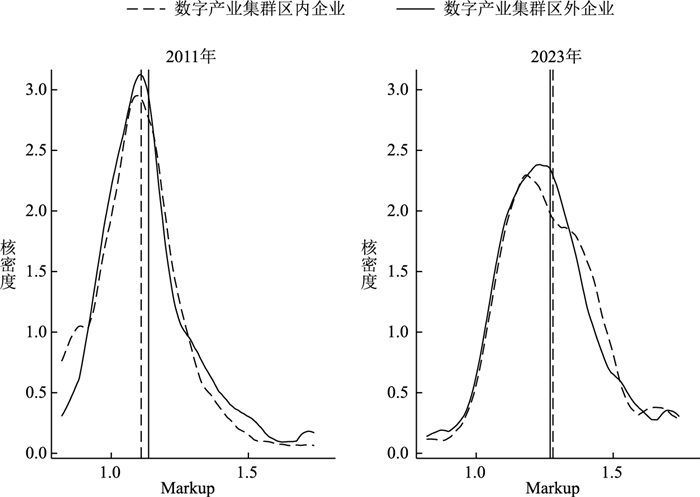
Building globally competitive digital industry clusters and guiding firms to shift away from vicious low-price competition toward premium pricing for quality constitute critical strategies to raise value creation capacity and advance high-quality economic development. This paper takes the construction of digital industry clusters as a quasi-natural experiment and adopts a multi-period difference-in-differences (DID) model to investigate its impacts on firm markups. Empirical results reveal that digital industry cluster construction significantly lifts firm markups. Three transmission channels are verified via mechanism analysis: accelerating corporate digital transformation, deepening firm embeddedness within digital ecosystems, and stimulating digital technological innovation. Heterogeneity tests demonstrate that this policy effect is stronger for firms with large brand investment, labor-intensive enterprises, and businesses situated in regions with sound commercial credit systems. This paper delivers novel micro-level empirical evidence regarding the economic impacts of digital industry clusters, and supplies policy references to help enterprises lift value creation capabilities.
Management and Corporate Performance
Tiered Cultivation of High-Quality SMEs and Supply Chain Bargaining Power
LIU Jinyu, HUANG Huilan, HAO Jing
2026, 41(4): 92-105.
Abstract:
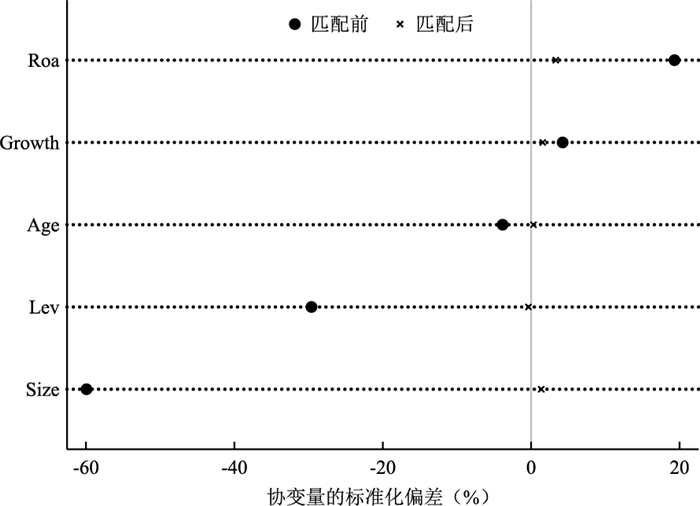
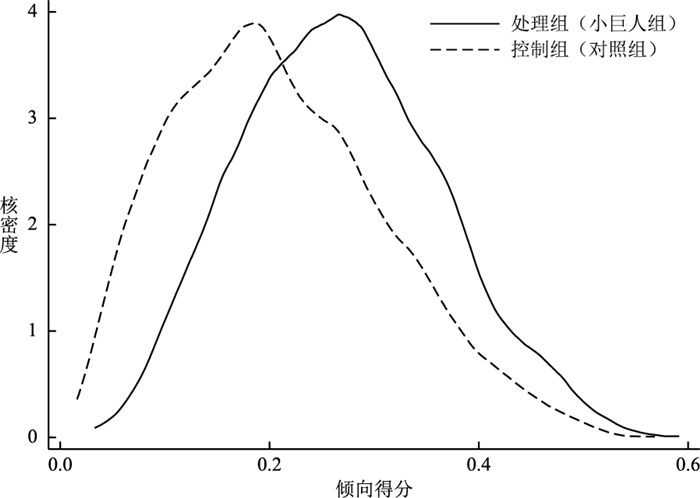
Enhancing corporate bargaining power within supply chains is a critical pathway for strengthening industrial chain resilience and ensuring economic security. Using panel data of A-share listed companies on the STAR Market and ChiNext from 2016 to 2023, this paper systematically evaluates the impact of the "Little Giant" certification on firms' bargaining power in supply chain. The results show that the policy certification significantly enhances firms' bargaining power. The effect is most pronounced among firms with technological barriers, while the marginal improvement is limited for firms located in economically developed regions or holding a high initial position in the supply chain. Mechanism analyses reveal three primary channels through which the policy certification improves bargaining power: diversifying financing sources and alleviating financial constraints; empowering firms to strengthen technological innovation capabilities, and facilitating capital expansion thereby strengthening firms' control over upstream and downstream partners. Furthermore, while the certification optimizes firms' positions within the supply chain network, it simultaneously amplifies the bullwhip effect. This study enriches the research perspective on tiered cultivation policies and supply chain governance, and provides empirical evidence for optimizing the SRDI cultivation policy.
The Impact of Corporate Digital Responsibility Perception on Employees Digital-intelligent Innovation Performance
JIANG Yufeng, PAN Chulin
2026, 41(4): 106-117.
Abstract:
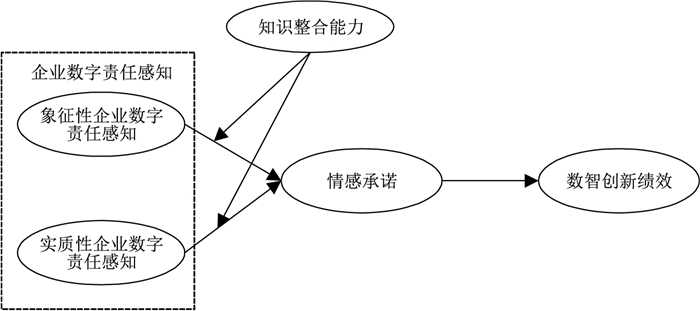
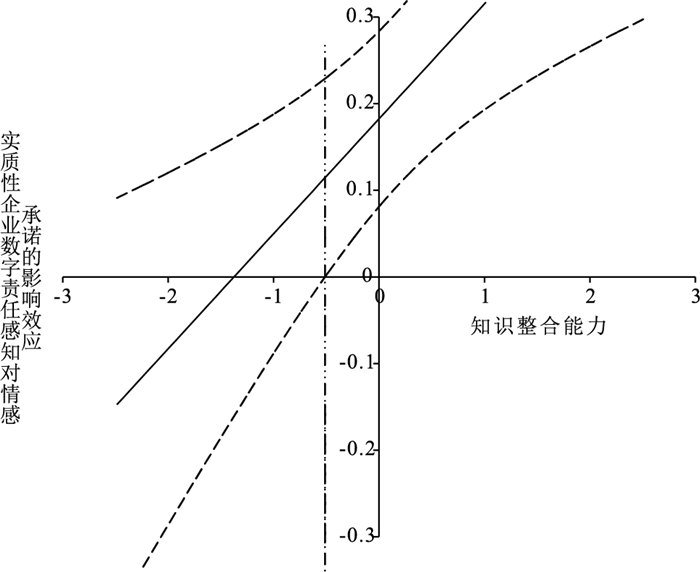
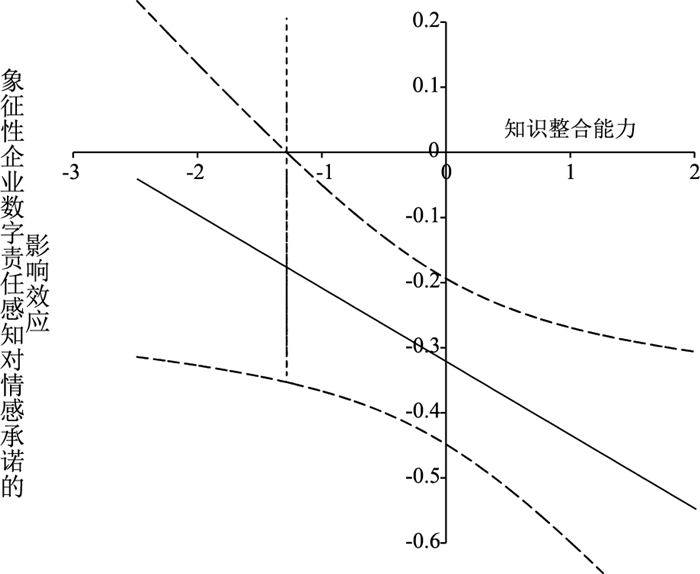
Corporate digital responsibility constitutes an important research topic concerning organizational social activities in the era of digital intelligence. The influence mechanisms of symbolic and substantive corporate digital responsibility on employees' innovation performance remain to be thoroughly explored. Based on social identity theory and cue consistency theory, this paper conducts an empirical analysis on survey data collected from 436 employees of technology-based enterprises. A moderated mediation model is constructed to investigate the impact mechanism of corporate digital responsibility perception on employees' digital-intelligent innovation performance. The empirical results show that symbolic and substantive conception of corporate digital responsibility and corporate digital responsibility exert divergent effects on employees' digital-intelligent innovation performance: the former generates a negative effect, while the latter a positive one. Affective commitment serves as a partial mediator in this relationship. Knowledge integration capability not only moderates the linkage between corporate digital responsibility conception and affective commitment, but also indirectly influences digital-intelligent innovation performance via affective commitment. This study expands and enriches the theoretical boundary of corporate digital responsibility, uncovers the consequences of employees' differentiated perceptions of corporate digital responsibility, and offers practical management references for firms to effectively undertake digital responsibility and motivate employees' digital-intelligent innovation.
How Does Sci-tech Finance Policy Enhance Corporate Capacity Utilization?
LIU Lin, SHI Xiaoqing, XU Jiangtao
2026, 41(4): 118-132.
Abstract:
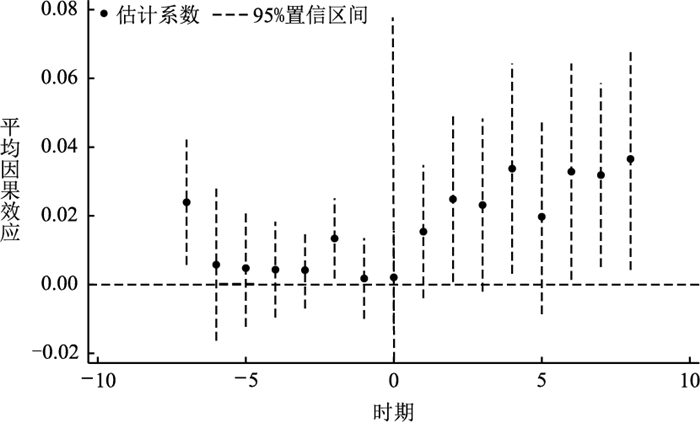
Improving capacity utilization is essential for addressing low-end homogeneous overcapacity, curbing "involutionary" competition, and promoting the high-quality development of the real economy. Using data on Chinese A-share firms listed on the STAR Market, the ChiNext Board, and the former SME Board from 2008 to 2023, this study treats the pilot policy for promoting the integration of science, technology and finance as a quasi-natural experiment, and applies a staggered difference-in-differences (DID) model to examine its impact on corporate capacity utilization and the underlying mechanisms. The results show that the policy significantly improves corporate capacity utilization mainly through three channels: improving financing conditions, promoting sci-tech innovation, and reducing inefficient investment. Heterogeneity analyses indicate that the positive effect is more pronounced among mature firms, firms in labor-intensive and technology-intensive industries, and firms located in regions with stricter environmental regulation and greater market integration. This study extends the literature on finance serving the real economy, and provides empirical evidence and policy implications for improving the sci-tech finance policy system, and fostering a virtuous cycle among technology, industry, and finance.
Research on the Impact of Peer Effects of Digital Transformation on Corporate OFDI
LI Tianzi, YANG Xiao, ZHOU Changtong
2026, 41(4): 133-144.
Abstract:
The rapid advancement of digital technology is profoundly reshaping enterprises' participation in international competition and has become a key driver of outward foreign direct investment (OFDI) by Chinese firms. Using data from A-share listed companies in China from 2013 to 2022, this paper investigates the impact of peer effects in digital transformation on corporate OFDI. The results show that digital practices of peer firms within the same industry significantly increase the focal firm's probability of making OFDI decisions and the scale of investments, and these findings remain robust after instrumental variable estimation and multiple robustness tests. Heterogeneity analysis indicates that the effect is more pronounced among non-state-owned enterprises and medium-low technology firms, owing to their stronger incentives to follow competitors and needs for risk aversion. Mechanism analysis reveals that alleviating financing constraints and enhancing innovation capabilities are important pathways through which the peer effects promote OFDI. Moreover, agency costs positively moderate this relationship, as better governance structures enable firms to more effectively convert external digital signals into overseas expansion actions. This study offers theoretical insights and policy implications for facilitating both enterprise digital transformation and the high-quality development of OFDI.